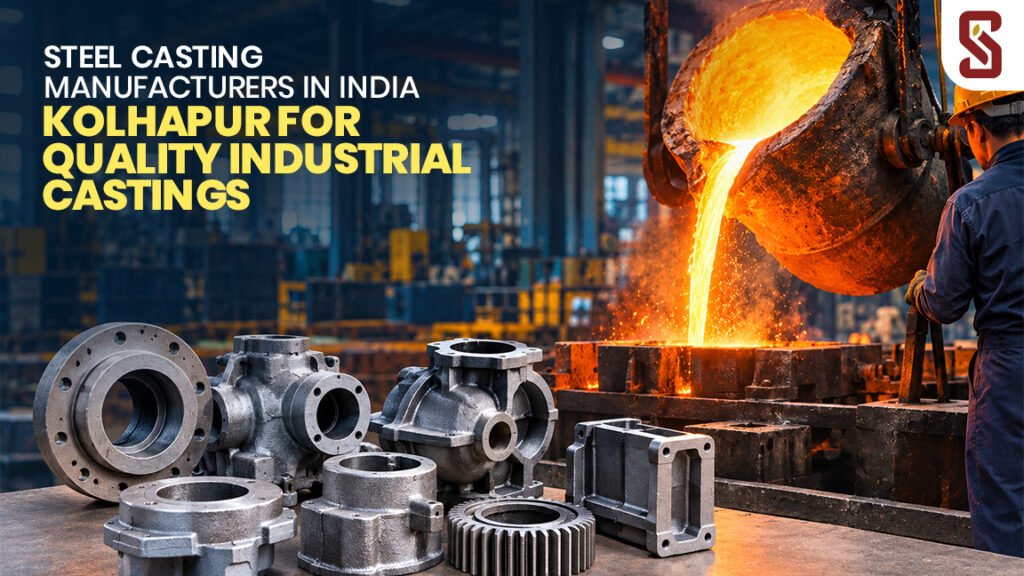
Steel castings sit at the heart of heavy industry. They go into pumps, valves, railway components, mining machinery, cement plants and automobiles. When these parts fail, the cost of downtime is far higher than the cost of the part. That is why choosing the right steel casting manufacturer matters so much.
Across India, Kolhapur has built a strong reputation for foundry work. If you are searching for steel casting manufacturers in India, this guide explains why Kolhapur is worth your attention and what to check before placing an order.
Why Kolhapur Is a Trusted Casting Hub
Kolhapur, in Maharashtra, is one of the best-known foundry clusters in the country. Decades of casting experience have created a local ecosystem that buyers benefit from directly:
- Skilled workforce: Pattern makers, molders, melters and fettlers with hands-on experience
- Supporting industries: Machining shops, heat treatment units and testing facilities close by
- Strong supply chain: Easy access to raw materials, sand, alloys and consumables
- Good connectivity: Road and rail links to Pune, Mumbai and the rest of western India
- Competitive costs: A mature cluster helps keep pricing practical without cutting corners on quality
For buyers, this means shorter lead times, easier coordination and access to expertise built over generations.
What Is Steel Casting?
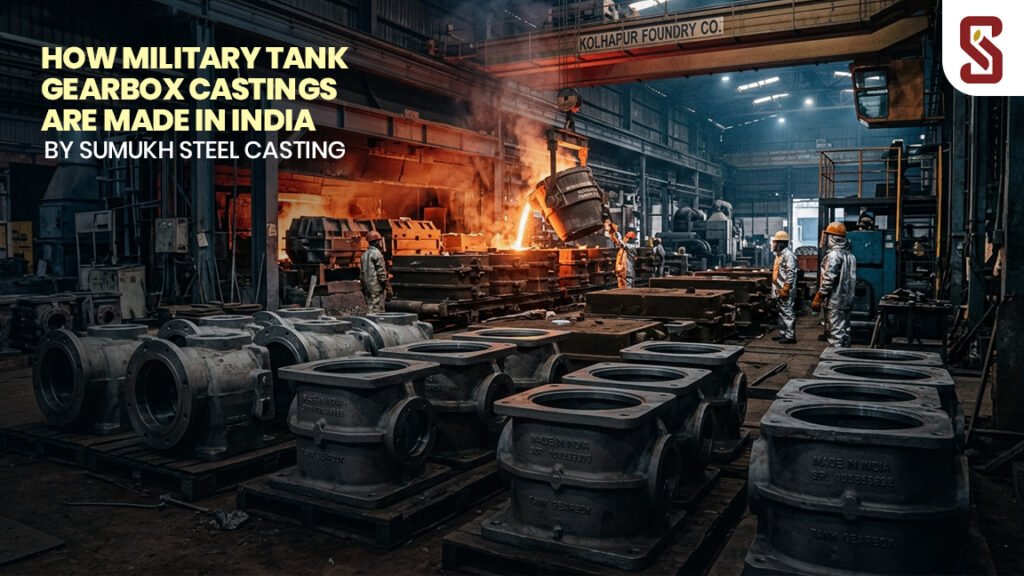
Steel casting is a manufacturing process in which molten steel is poured into a mold shaped like the final part. Once the steel cools and solidifies, the casting is removed, cleaned, heat treated and finished.
It is especially useful for parts that are complex in shape, heavy, or too difficult to produce by forging or fabrication. Steel castings also offer excellent strength, toughness and wear resistance, which is why they are trusted in demanding applications.
Types of Steel Castings
Different jobs need different materials. Common options include:
- Carbon steel castings: Strong, economical and widely used in general engineering
- Alloy steel castings: Elements like chromium, nickel and molybdenum improve strength, wear resistance and heat tolerance
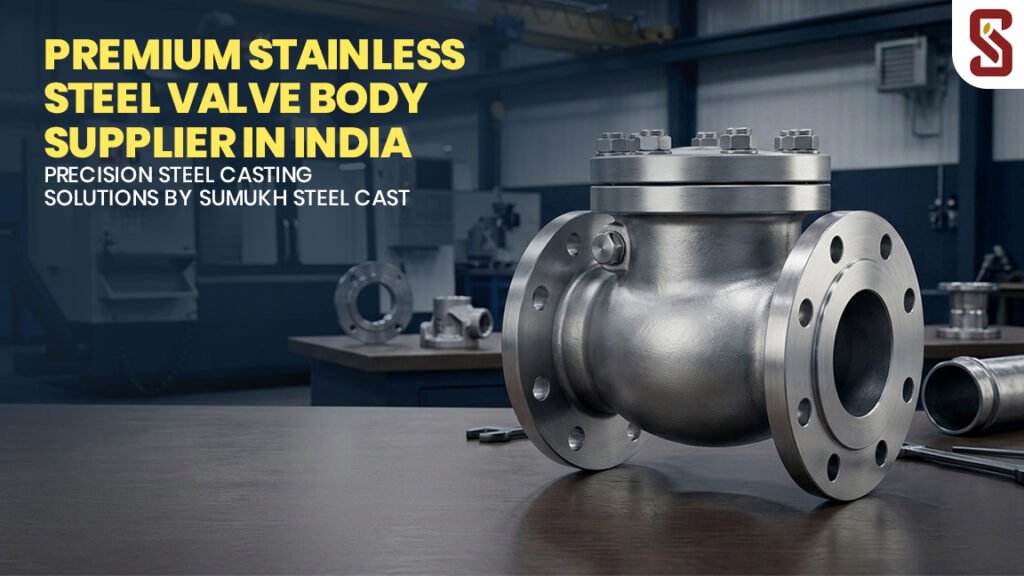
- Stainless steel castings: Excellent corrosion resistance for pumps, valves and process equipment
- Manganese steel castings: Very high impact and abrasion resistance, ideal for mining and crushing equipment
A good manufacturer will help you choose the right grade based on load, temperature, environment and budget, rather than simply quoting for whatever is on the drawing.
Industries That Rely on Steel Castings
Quality castings from Kolhapur serve a wide range of sectors:
- Pumps and valves
- Automobile and tractor components
- Railways
- Mining and construction machinery
- Cement and power plants
- Agriculture equipment
- General engineering and machine building
Each industry has its own demands, from pressure rating to wear life, so experience across applications is a real advantage.
Quality and Testing: What You Should Expect
A casting can look perfect on the outside and still hide defects like porosity, shrinkage or cracks. Reliable manufacturers control quality at every stage, from melting to dispatch. Look for:
- Chemical analysis to confirm the material grade
- Mechanical testing for tensile strength, impact and hardness
- Non-destructive testing (NDT) such as ultrasonic testing and magnetic particle inspection
- Dimensional inspection against your drawing
- Heat treatment to achieve the required properties
- Test certificates supplied with the consignment
Ask whether the foundry works to recognised standards such as IS, ASTM or EN, and whether it can supply documentation for your quality team.
How to Choose the Right Steel Casting Manufacturer
Price matters, but it should not be the only factor. Before you decide, check these points:
- Experience: Has the foundry made parts similar to yours?
- Material range: Can they handle the grades and weights you need?
- In-house capabilities: Pattern making, heat treatment and machining under one roof reduce delays
- Testing facilities: In-house or reliable third-party testing
- Communication: Clear quotes, realistic timelines and prompt replies
- Delivery record: Consistent on-time dispatch
- Flexibility: Ability to handle both prototypes and repeat production orders
Share your drawings, material specification, quantity and application early. The more detail a manufacturer has, the more accurate the quote and the better the final casting.
Custom Steel Castings Built to Your Requirements
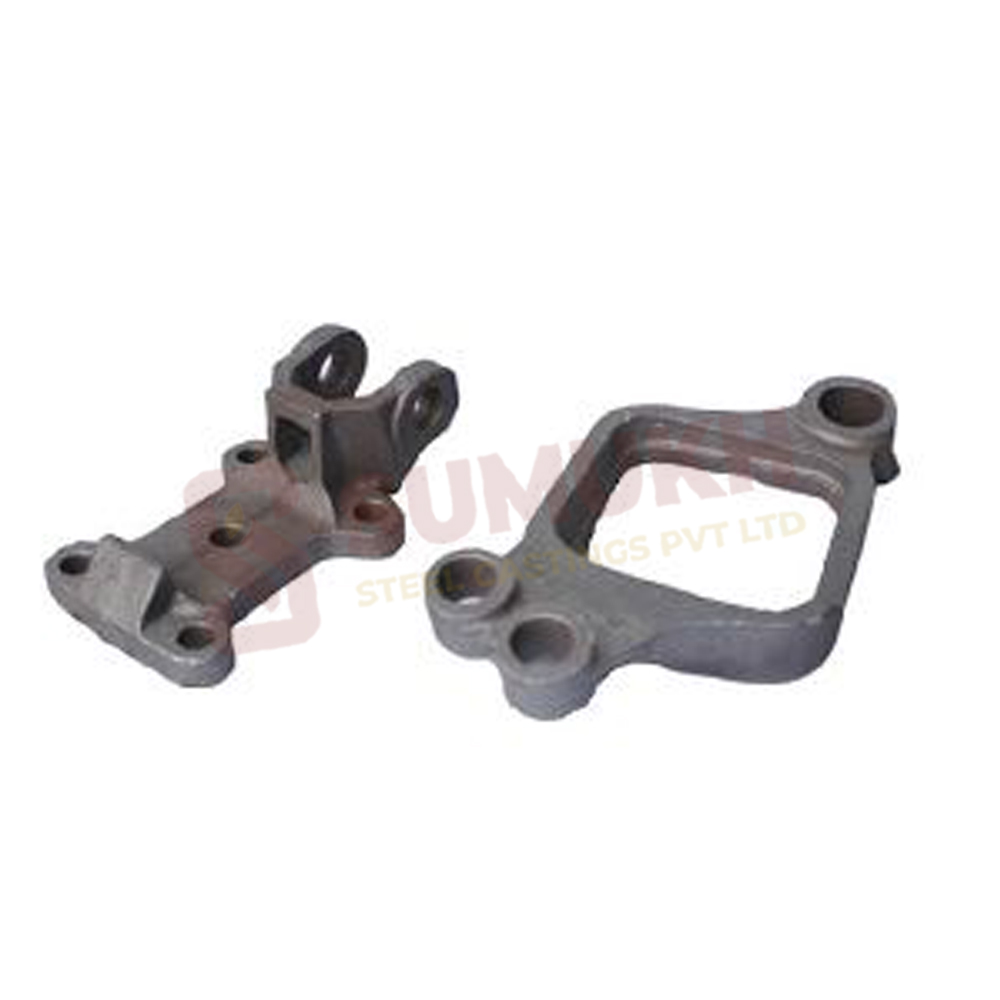
Many buyers need parts made to their own drawings or samples. A capable foundry will study the design, suggest improvements that reduce weight or cost, and make the pattern and mold accordingly. Small design changes, such as better wall thickness or smoother transitions, can reduce defects and improve the life of the part.
Partner with Sumukh Steel Casting
At Sumukh Steel Casting, we supply steel castings to industrial customers who need dependable quality and clear communication. Whether you need a one-time custom part or a regular supply for ongoing production, our team works with you from enquiry to delivery to make sure the casting fits your requirement.
Ready to discuss your project? Send us your drawing or specification and we will get back to you with a quote.
Frequently Asked Questions (FAQs)
Q1. Why is Kolhapur famous for steel casting?
Kolhapur has a long-established foundry industry, a skilled workforce and a strong network of supporting units like machining and heat treatment. This makes it a reliable source for industrial castings.
Q2. What information do I need to share to get a quote?
Share your drawing or sample, material grade, weight, quantity, required standards and any testing needs. Details about the application also help the manufacturer suggest the right material.
Q3. Can steel castings be made to custom designs?
Yes. Most foundries can make castings to your drawing or sample. A good manufacturer will also review the design and suggest changes that improve quality or reduce cost.
Q4. How do I know the quality of a steel casting is good?
Ask for chemical and mechanical test reports and NDT results where required. Reliable manufacturers provide test certificates and follow recognised standards.
Q5. What is the difference between steel casting and forging?
Casting pours molten steel into a mold and suits complex shapes and heavy parts. Forging shapes solid metal using pressure and is often used for simpler shapes needing very high strength. The right choice depends on your part and application.
Q6. How long does it take to get a custom casting?
Lead time depends on part complexity, pattern making, quantity and testing requirements. A new pattern adds time, while repeat orders are usually faster.