Almost every conversation we have with a new customer eventually reaches the same fork: which casting process is right for the part? More often than not the real question behind it is die casting or sand casting the two processes that, between them, account for the bulk of industrial castings made today. They both turn molten metal into a finished shape, but they do it so differently that picking the wrong one can double your cost or sink your quality. The honest answer is that neither is “better.” Each wins in a specific situation, and the trick is knowing which situation you are in.
We are a sand and shell foundry, so we have a point of view, but the comparison below is the one we would give a customer even when the answer points away from us.
How the Two Processes Differ
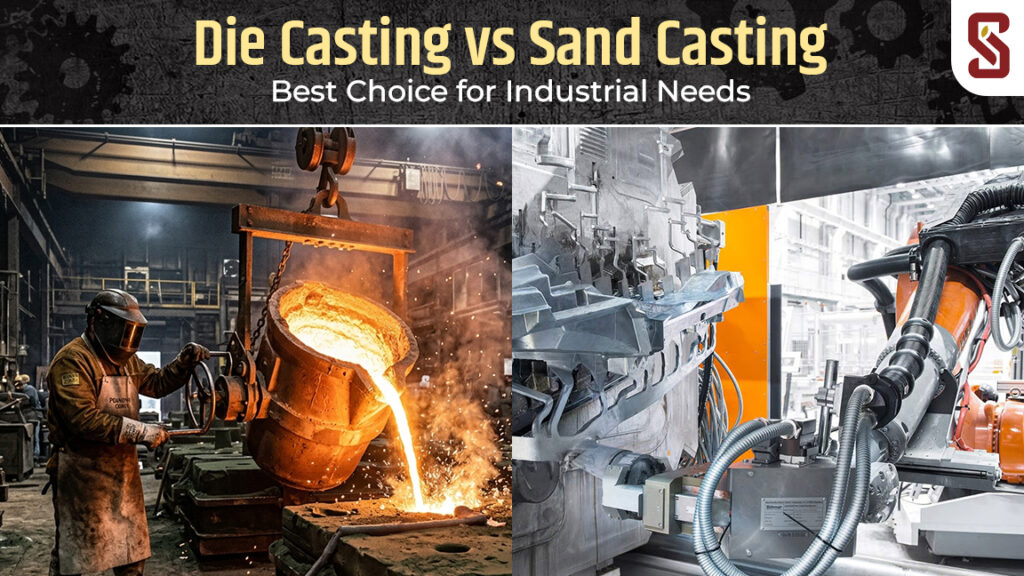
Die casting forces molten metal into a reusable steel mould the die under high pressure. The metal fills fast, takes on a smooth surface, and comes out to tight dimensions. Because the die is made of steel, it survives thousands of cycles, which is what makes the process economic. The catch is that those dies are expensive to cut, and the high melting point of steel and iron means die casting is, in practice, limited to non-ferrous metals: aluminum, zinc, magnesium, and copper alloys.
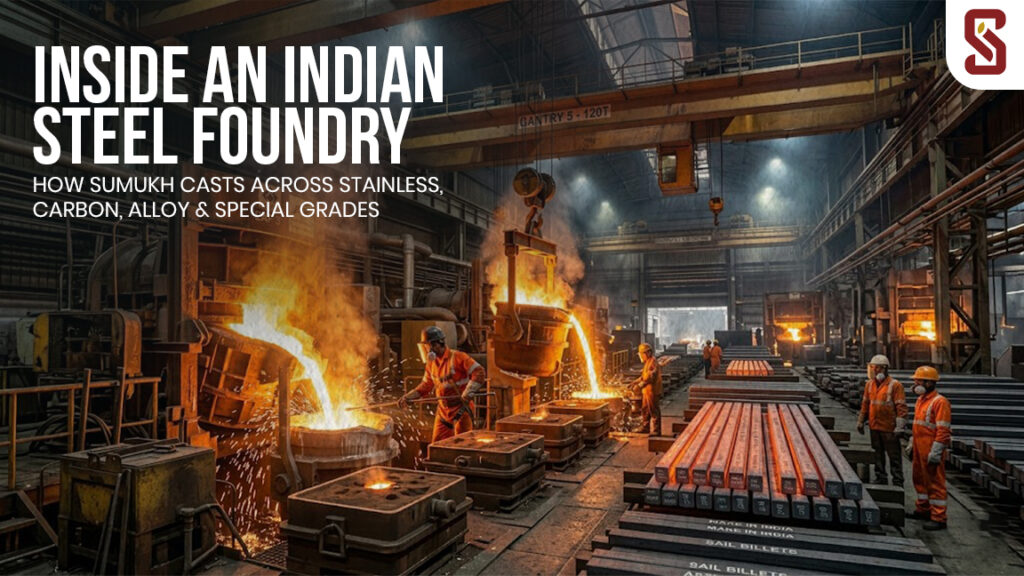
Sand casting takes the opposite approach. A mould is formed in bonded sand, the metal is poured under gravity, it solidifies, and the mould is broken away to release the part. The tooling a pattern, not a steel die is cheap by comparison, and because the sand mould is destroyed each cycle, there is almost no limit on part size or on the metals you can pour. Steel, cast iron, stainless, manganese, bronze all of it runs in a sand foundry.
Where Die Casting Wins
Die casting earns its place when three things line up: high volume, smaller non-ferrous parts, and a need for tight tolerances with minimal machining.
The economics are all about volume. The die costs a great deal up front, so you need to spread that cost over a long production run before the per-part price comes down. Once you do, the short cycle times and excellent repeatability make die casting hard to beat for mass production. The parts come out with smooth surfaces and fine detail, often needing little or no finishing, and the process handles thin walls and intricate geometry well which is why you see it in automotive transmission cases, electrical housings, and consumer-electronics frames. If you are making a hundred thousand identical aluminum brackets, die casting is almost certainly your process.
Where it struggles is anything large, anything ferrous, and anything low-volume. Steel parts are off the table, big castings exceed machine capacity, and short runs never recover the tooling cost.
Where Sand Casting Wins
Sand casting is the right call when you need steel or iron, when the part is large or heavy, when geometry is complex, or when the volumes are anything from a single prototype to a medium production run.
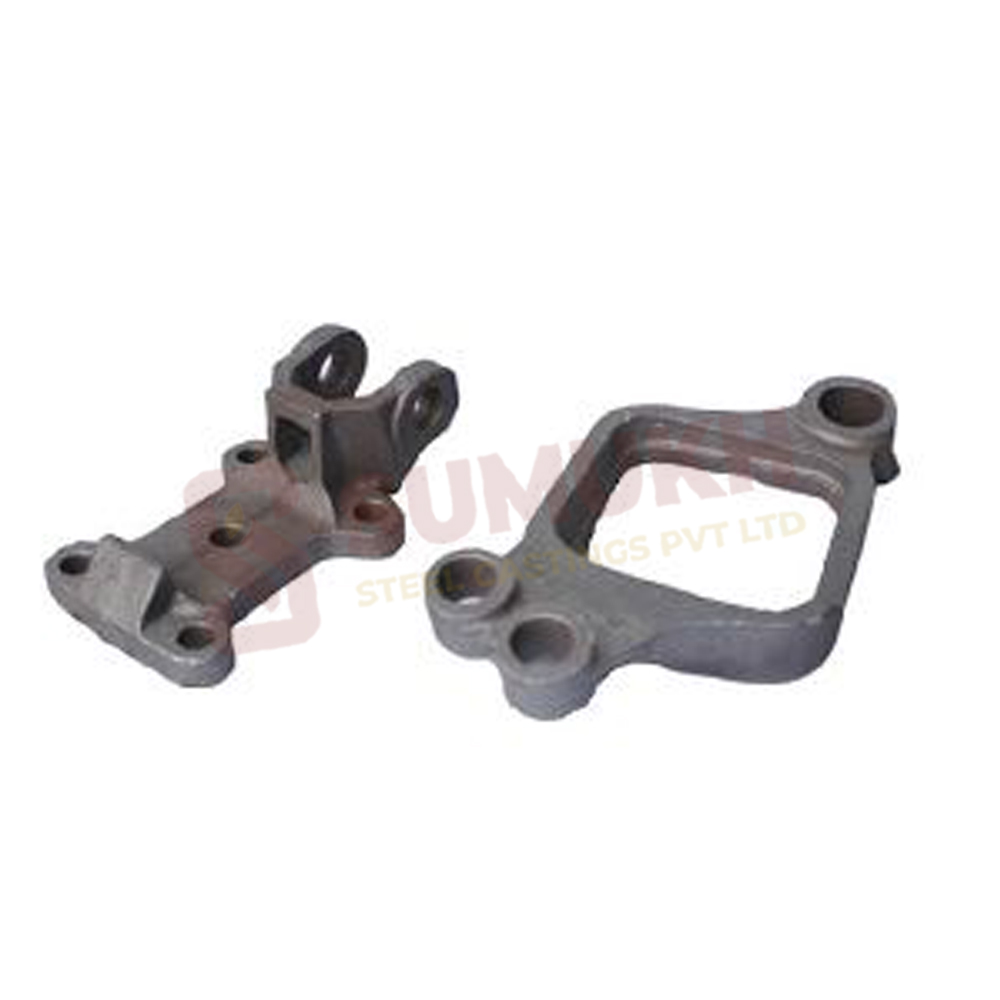
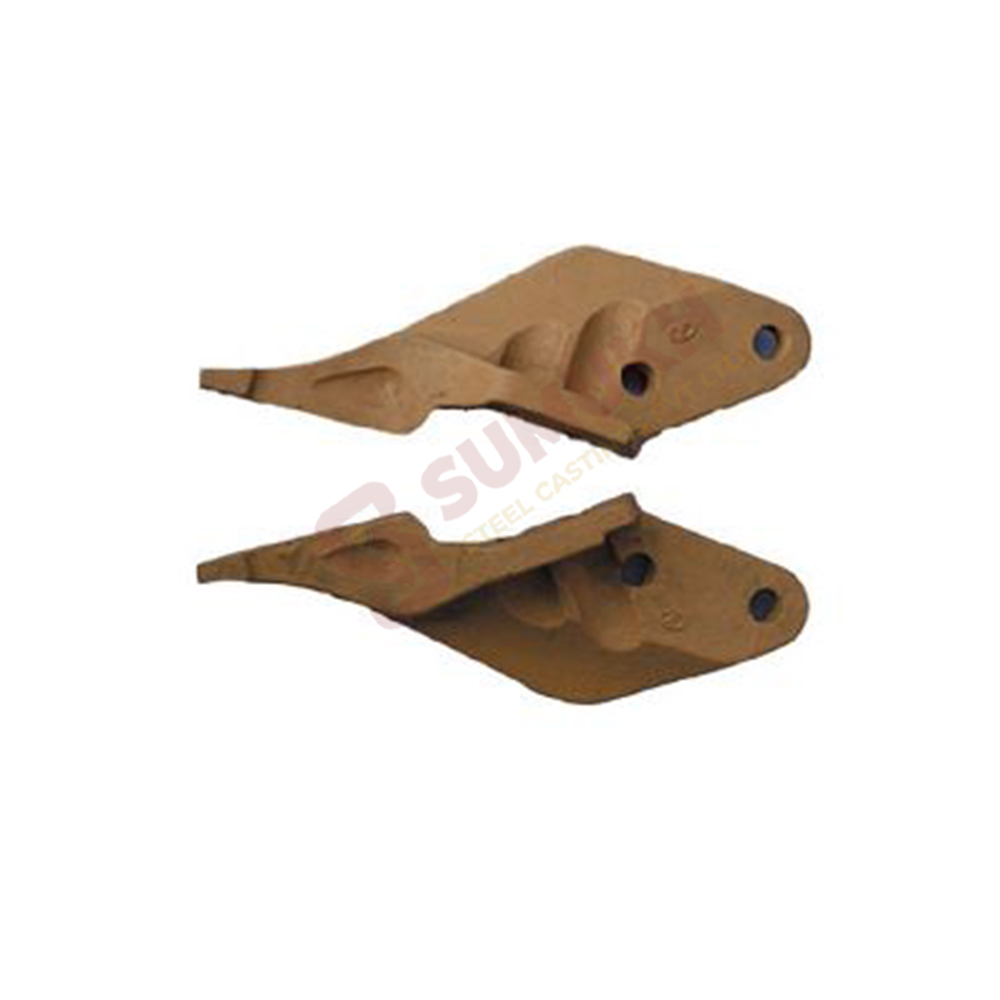
This is the process for the heavy end of industry. A sand mould can produce castings weighing several kilograms to several tonnes, in grades from plain carbon steel to high-chrome wear alloys. The low tooling cost makes it the only sensible choice for prototypes, custom parts, and short runs, and modern variants close much of the historical quality gap. Shell moulding, for instance, gives a noticeably better surface finish and tighter tolerances than green sand, while no-bake and CO₂ silicate systems offer good dimensional stability on larger work. At Sumukh Steel we run shell, CO₂, no-bake, and lost-foam precisely because different parts need different mould systems.
The trade-off is well known. Sand castings come off the mould with a rougher surface and looser tolerances than die castings, so critical features usually need machining afterwards. The cycle is slower, and the process demands careful gating and feeding design to control porosity and shrinkage. None of that is a deal breaker it is simply the cost of the flexibility sand gives you.
Making the Call
Strip away the detail and the decision usually comes down to a few questions:
- What metal? If it is steel, iron, stainless, or manganese, sand casting is effectively your only option. If it is aluminum or zinc in volume, die casting is in play.
- How big? Large and heavy points firmly to sand.
- How many? Very high volumes justify the die; low to medium volumes favour sand’s cheap tooling.
- How tight are the tolerances? Die casting gets you close to net shape; a sand casting plus machining gets you there a different way, often at lower total cost for ferrous parts.
Plenty of manufacturers use both, choosing per part rather than per company. A precision aluminum housing might be die cast while the heavy steel bracket it bolts to is sand cast.
Conclusion
There is no single best process there is only the best process for a given part. Die casting is the choice for high-volume, non-ferrous, precision components where the tooling investment pays for itself across a long run. Sand casting is indispensable wherever you need steel, size, complex shapes, or the freedom to make a few parts without committing to expensive dies. For the heavy-duty, ferrous, made-to-drawing castings that most of Indian industry runs on, sand casting remains the practical backbone which is exactly the work we built Sumukh Steel to do well.
FAQ
1. What is die casting?
This is the process of casting metals using high-pressure injection to a metal mold.
2. What is sand casting?
It is the method of casting metal pieces from sand molds.
3. Which casting is best for mass production?
Die casting is better for mass production because of its high efficiency.
4. Which is less expensive: sand casting or die casting?
Sand casting is less costly as compared to die casting.
5. Which casting type yields more precision?
Die casting produces higher precision and surface quality as compared to sand casting.